Car Wheel Balancing: The Process, the Benefits, and Why It Matters
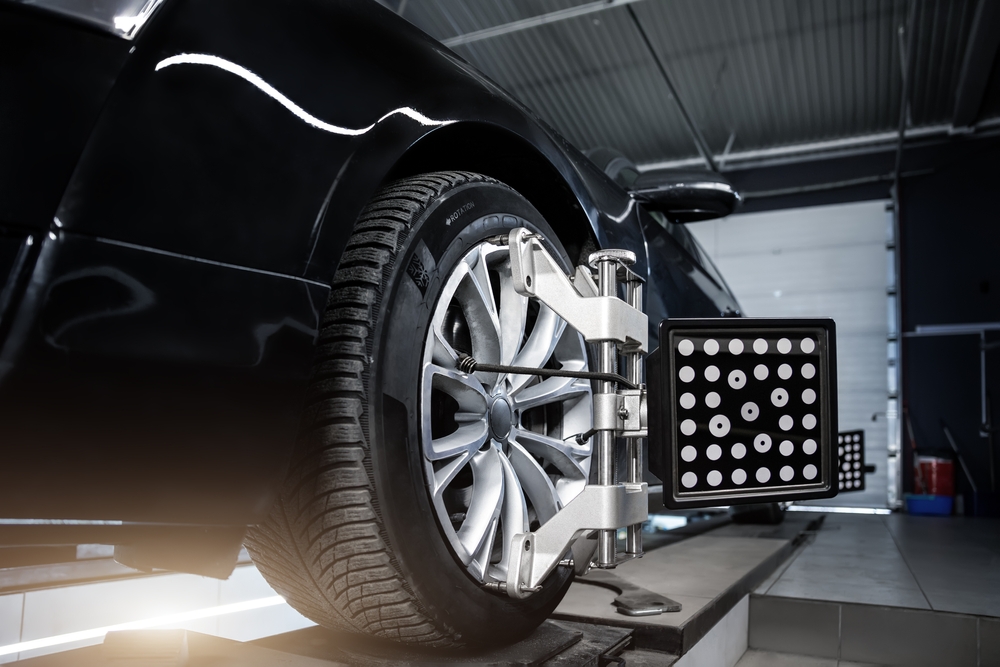
You’re cruising down the road when the steering wheel starts to wobble, or the seat gets a bit of a shake to it. It’s tempting to blame a rough patch of tarmac. Usually, though, something else is going on.
This guide walks through why wheel balancing actually matters and how it shapes your day-to-day driving. We’ll get into what it is, why it’s worth caring about, how the process actually plays out, the warning signs to watch for, and roughly how often you should be getting it checked. Think of it as one of those unglamorous jobs that quietly keeps everything running smoothly, right up until it doesn’t.
Most drivers have felt at least one of these symptoms without connecting the dots. A car with unbalanced wheels feels twitchy, wears its tyres down faster than it should, and over time it can start chipping away at fuel economy and general handling too. The annoying part is how gradual it is. By the time it’s obvious, you’ve usually already done some damage.
So let’s break it down properly.
What Wheel Balancing Actually Is
At its core, wheel balancing is about weight, specifically, making sure that weight is spread evenly around the tyre and wheel assembly. Tyres are never perfectly uniform. There’s always some tiny variation in density around the rubber, and once a wheel starts spinning at speed, even a small imbalance gets amplified fast. The fix is fairly low-tech: small weights get clipped onto the rim in just the right spots to cancel it out.
It’s not purely a comfort thing either. A properly balanced wheel affects safety, how the car handles, how much fuel you burn, and how long your tyres actually last. Skip it, and you’re not just signing up for a shakier ride; you’re accelerating wear you didn’t need to.
Why Wheels Fall Out of Balance in the First Place
It happens more easily than most people assume. Tyres wear unevenly even within the same set, hit a pothole or clip a kerb hard enough and that alone can throw things off. Sometimes it’s simpler than that: one of the small weights fitted during a previous balance just falls off, and that’s enough on its own to bring back the wobble.
Then there are the slower causes. Long stretches of highway driving, temperature swings, and everyday driving habits all chip away at balance over time. A car left sitting for weeks can develop flat spots on the tyres too. And any time you fit a set of new tyres, that’s the moment to get them balanced properly, both to protect the investment and to avoid starting off on the wrong foot.
The Warning Signs (Including Uneven Tyre Wear)
Your car generally tells you when something’s off, if you’re paying attention.
| Sign | What to look for |
| Steering Wheel Vibration | Usually shows up somewhere between 70 and 110 km/h, felt through the wheel itself. |
| Uneven Tyre Wear | Check the edges versus the middle of the tread, and look for smoother, more worn patches. |
| Increased Road Noise | A humming or buzzing sound that gets louder the faster you go. |
| Poor Handling or Pulling | The car drifting to one side isn’t always an alignment problem; it can point to balance too. |
| Rougher Ride Quality | If even smooth roads suddenly feel bumpy, imbalance is a likely culprit. |
None of these are worth ignoring. Catch them early and a quick balancing job can save you from replacing tyres well before their time.
Two Kinds of Imbalance Worth Knowing About
There are really two categories here, and they behave differently.
Static imbalance
Static imbalance is the simpler one to picture: a single heavy spot on the tyre that makes it hop rather than roll. Picture an overloaded washing machine with all the clothes bunched to one side that same lopsided bounce. You’ll usually feel this vertically, through the seat or the floor.
Dynamic imbalance
Dynamic imbalance is a bit trickier. It happens when the weight is off across the width of the tyre rather than around it, and the result is a side-to-side wobble that shows up mostly through the steering, especially at higher speeds. It’s harder to diagnose by feel alone, and fixing it properly needs precision equipment rather than guesswork.
How the Balancing Process Actually Works
Curious what happens once your car’s up on the hoist? It’s quicker than most people expect.
First, the wheels come off the car entirely. Each one goes onto a balancing machine, which spins it up to speed, not unlike a mini diagnostic test rig, and reads exactly where the weight is uneven. From there, small weights get added to the rim at precise points to cancel out the imbalance. The wheel gets spun again to confirm it’s sitting right, and then it goes back on the car.
Start to finish, it’s a job measured in minutes rather than hours, but the difference it makes to how the car drives can be significant, and it can shave a bit off your fuel bill too by reducing rolling resistance.
Wheel Alignment vs Wheel Balancing
These two get mixed up constantly, but they’re solving different problems. Alignment is about the angles the wheels sit at; balancing is about how evenly weight is distributed around them.
| Feature | Wheel Balancing | Wheel Alignment |
| Purpose | Even out tyre weight | Correct wheel angles |
| Fixes | Vibration, uneven wear | Pulling, handling issues |
| When needed | After a tyre change, or when you feel vibration | After suspension work, or roughly every 20,000 to 24,000 km |
| Tools used | Balancing machine and weights | Alignment machine and lasers |
As a rough rule of thumb: shaking at certain speeds usually points to balance, while a car pulling to one side is more likely an alignment issue. You might need both at once, but they’re not interchangeable fixes.
How Often You Should Get It Done
It’s not a one time job. A few good moments to get it checked:
- Whenever you fit new tyres
- Roughly every 10,000 to 12,000 km as routine maintenance
- After a hard hit on a pothole or kerb
- If the car’s been parked up for a long stretch and might have flat spots
- Whenever tyres get rotated
Staying on top of it isn’t just about comfort, it genuinely makes for a safer car. If something feels off, it’s worth searching for wheel balance near me, though if you’re local, we’re right here in Wangara and happy to take a look.
What You Actually Gain From It
A properly balanced set of wheels pays off in a few different ways at once. The ride smooths out noticeably, tyres wear more evenly and last longer, fuel economy improves slightly thanks to lower rolling resistance, and the car handles and brakes more predictably. There’s a knock on benefit too: less unnecessary stress on suspension and steering components, which means fewer surprise repair bills down the track.
Put simply, it’s a small, cheap job that saves you money and hassle later.
Feel the Shake? Let’s Sort It
Wheel Balancing at Wangara Tyre Auto
Wangara Tyre Auto handles this day in, day out. We’re a tyre shop first, but between tyre fitting, 4×4 setups, and general car servicing, balancing is something we do constantly, not as an afterthought. Fitting new tyres, sorting out wheel balancing, or just diagnosing that annoying steering wobble, it’s all in a day’s work. Over 680 locals have left us five star reviews, if that counts for anything.