How to Choose the Best Steer Tyres for Trucks and Buses?
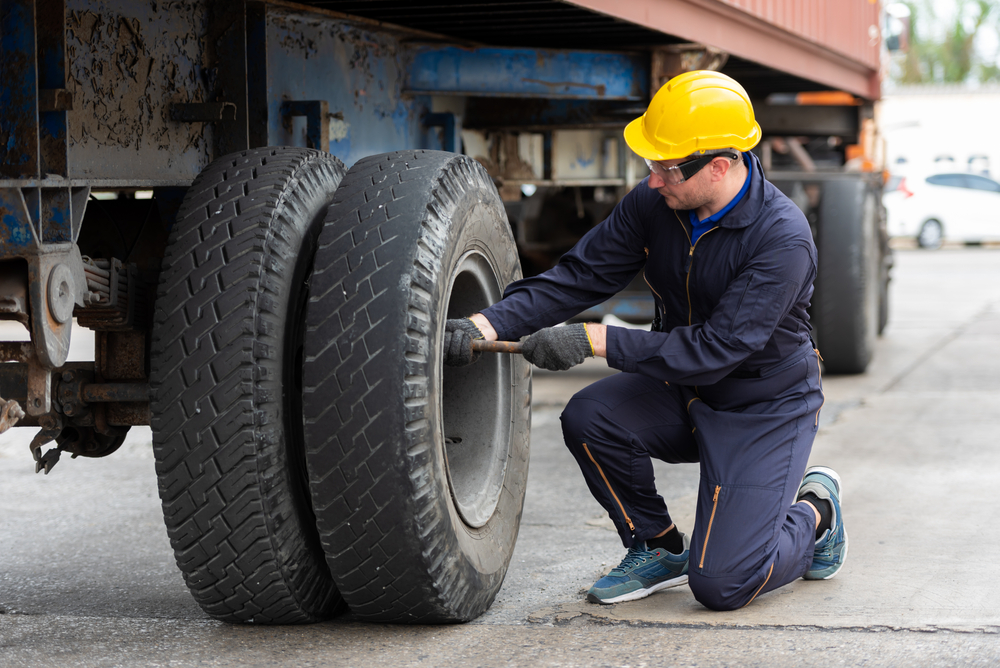
Choosing truck steer tyres starts with the vehicle and the work it does. The tyres on the steering axle affect steering response, directional control and road contact. Size, load capacity, speed rating, axle position and road conditions all need to match the vehicle’s requirements.
A rigid truck used for Perth deliveries can have different tyre needs from a vehicle covering long highway runs. Buses can also have different requirements based on their design, axle loads and operating conditions.
Before buying, check the tyre markings, vehicle specifications and manufacturer requirements. The right tyre needs to suit the axle, the load and the conditions the vehicle faces each day.
What Are Steer Tyres and Why Are They Important?
Steer tyres are fitted to the steering axle of a truck or bus. They play a direct role in steering, directional control and maintaining contact with the road.
The front axle deals with steering inputs, braking forces and the load transferred through that axle. Tyre condition therefore deserves close attention. Uneven wear, damage, incorrect inflation or an unsuitable tyre specification can affect vehicle performance.
A tyre needs to match the vehicle’s requirements rather than simply fitting the wheel. Size, load capacity, speed rating and application all need to be checked before fitting.
The current NHVR inspection manual covers requirements relating to tyre tread, damage, speed rating, capacity, rim compatibility and compliance with the manufacturer’s tyre placard or approved modification.
For additional information about commercial vehicle tyre specifications, you can read about truck tyre sizes and load ratings.
Types of Tyres for Trucks and Buses
Truck and bus tyres are selected according to axle position and the work the vehicle performs. Steer tyres are used on steering axles, while drive tyres are fitted to driven axles where engine power is transferred to the road. Trailer tyres are designed for trailer axle applications.
All-position tyres can be suitable for more than one axle position when their specifications allow it. They should not be treated as automatically suitable for every axle or vehicle.
Tyre type | Main use | Key consideration |
Steer tyres | Steering axle | Steering and directional control |
Drive tyres | Drive axle | Traction and power transmission |
Trailer tyres | Trailer axle | Load support and trailer use |
All-position tyres | Approved axle applications | Check manufacturer specifications |
4×4 tyres | 4×4 vehicles | Vehicle type, road use and terrain |
If you need tyres for a 4×4 rather than a heavy truck or bus, you can view the 4×4 tyre range.
Steer Tyres vs Other Tyres: The Key Differences
Steer, drive and trailer tyres have different jobs. The tyre selected needs to match the axle where it will be fitted.
Steer tyres are fitted to the steering axle. Their characteristics need to suit steering inputs, directional stability and the load carried by that axle.
Drive tyres sit on driven axles and transfer engine torque to the road. Their tread and construction need to suit the vehicle and its operating conditions.
Trailer tyres are designed for trailer axle duties. They support the trailer load but do not perform the same steering or drive function as tyres on the prime mover.
All-position tyres can cover more than one axle application where permitted by the tyre manufacturer. The specification still needs to match the axle, load and conditions.
A tyre should not be selected because its size appears to match. The complete specification needs to be checked.
Best Truck Steer Tyres: 5 Factors to Consider
1. Vehicle Type and Use
Start with the truck or bus and the work it performs. A vehicle used for local deliveries spends more time turning, braking and operating in traffic. A long-distance truck may spend extended periods on highways.
Road surfaces and operating conditions also affect tyre selection. Look at how the vehicle is used before choosing the tread and tyre specification.
2. Load Capacity
Load capacity should be checked before buying truck steer tyres.
The tyre needs sufficient capacity for the mass transferred through the axle. Physical size alone does not show whether a tyre is suitable.
The NHVR inspection manual states that a tyre fitted to an axle must have sufficient size and capacity for the part of the vehicle’s gross mass transmitted through that axle. The manufacturer’s rating for components such as tyres, wheels and axles must also not be exceeded.
If you are unsure how to read the information on a commercial tyre, the article on truck tyre sizes and load ratings provides useful background.
3. Speed Rating
The speed rating shown on the tyre is another specification to check before fitting.
Under the current NHVR inspection requirements, tyres must have a speed rating of at least 100 km/h or the vehicle’s top speed, whichever is lower, unless the manufacturer has specified a lower rating.
Speed rating should be considered alongside load capacity, tyre size and the vehicle manufacturer’s requirements.
4. Tread Pattern
Tread design should suit the vehicle’s application and road conditions.
A truck working mainly on sealed roads can have different tread requirements from a vehicle operating across surfaces where additional traction is needed. The tyre manufacturer’s application information should be checked rather than relying on a simple rule about tread depth.
There is no sound basis for saying that every steer tyre should have a shallow tread. Tread design varies between tyre types and applications.
5. Tyre Quality and Suitability
Price is part of the buying decision, but the lowest price does not automatically make a tyre suitable for a commercial vehicle.
Compare the tyre’s size, load capacity, speed rating, construction and intended application. Warranty terms and expected wear can also be considered when comparing options.
For operators replacing tyres on a regular basis, keeping records of tyre wear and replacement dates can help identify recurring issues with alignment, inflation, loading or tyre selection.
Truck and Bus Tyres in Australia: What to Know
Truck and bus tyres operate under different conditions depending on the vehicle, route and load. A city bus, delivery truck and long-distance prime mover can place different demands on their tyres.
Before fitting new truck and bus tyres, check the tyre size, load capacity, speed rating and axle position. The vehicle manufacturer’s specifications should be used when confirming what can be fitted.
Tyre condition also needs regular attention. The NHVR inspection manual lists issues such as insufficient tread, deep cuts, exposed wire or cords, chunking, bumps, bulges and other signs of carcass failure as conditions that can make a tyre unacceptable. It also covers tyre and rim compatibility and applicable manufacturer specifications.
For businesses running commercial vehicles, it can also help to have a clear maintenance routine covering tyres, wheel alignment and balancing.
Where to Find Perth Truck Tyres
For Perth truck tyres, buying locally can make it easier to check the tyre specification before fitting. This can be useful when a commercial vehicle has specific load requirements or needs replacement tyres without unnecessary delays.
Have the tyre size, axle position and load requirements checked before making a purchase. Stock availability is also worth confirming when several matching tyres are needed.
You can view the truck tyre range in Perth and check the options available for commercial vehicles.
How to Choose the Best Truck and Bus Tyres: 4 Tips
Start with the vehicle’s specifications. Check the tyre size and load requirements before comparing prices or brands.
Next, consider how the vehicle is used. Local delivery work, highway driving and mixed road conditions can place different demands on a tyre.
Budget matters, but compare the full specification rather than choosing on purchase price alone. If you plan to buy truck tyres online, check the size, load rating, speed rating and application before ordering.
Finally, check the manufacturer’s requirements. The NHVR manual states that tyres need to match the manufacturer’s tyre placard where applicable or an approved modification, along with meeting the relevant tyre and vehicle requirements.
You can also read about the tyre services available when planning tyre replacement or maintenance.
Ready to Upgrade Your Tyres? Visit Wangara Tyre & Auto
If you’re comparing truck tyres Perth operators can access locally, start with the requirements of your vehicle and the work it performs. Wangara Tyre & Auto supplies truck tyres and provides tyre fitting, wheel balancing, puncture repairs and other tyre services.
You can view the full truck tyre range or see the available tyre services. If you’re planning to buy truck tyres online, check the complete tyre specification before placing an order.
FAQs
What should I check before buying truck steer tyres?
Check the tyre size, load capacity, speed rating, axle position and intended application. The vehicle manufacturer’s specifications and tyre placard, where applicable, should be checked before fitting.
Can different tyre brands be fitted to the same truck?
Brand alone does not determine whether a tyre is suitable. The tyres still need to meet the vehicle’s specifications and be appropriate for the axle and application. If you’re changing tyre specifications, check the manufacturer’s requirements before fitting.
When should truck steer tyres be replaced?
Inspect tyres for excessive wear, cuts, bulges, exposed cords and other signs of damage. The NHVR inspection manual sets requirements for tread and tyre condition, so damaged or non-compliant tyres should not remain in service.